The Borrow Box: A Primary Classroom Equipment System That Lasts the Term
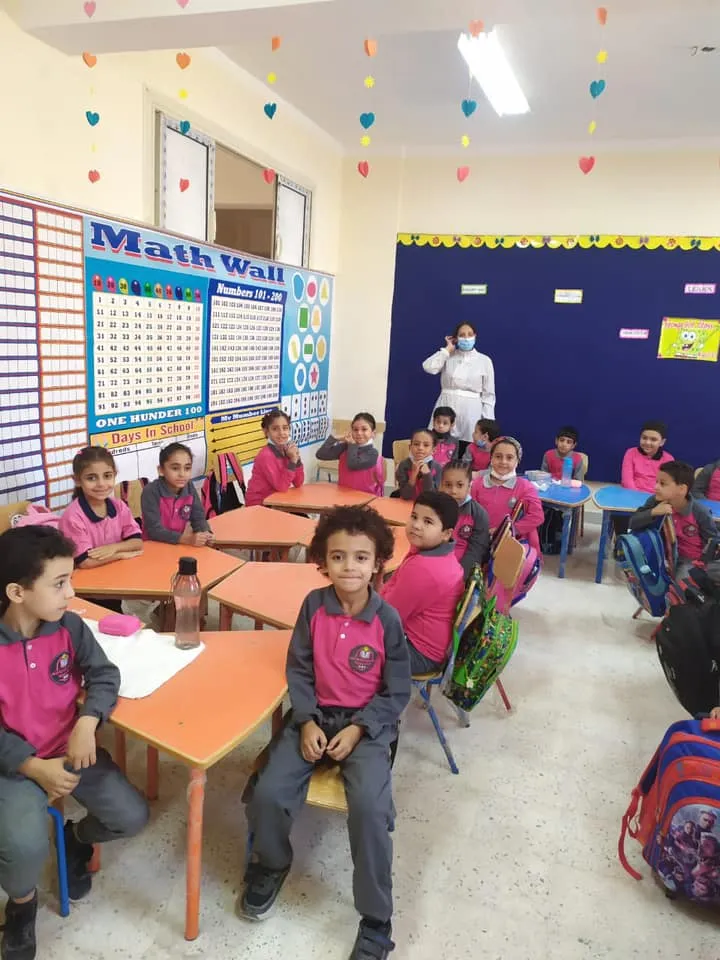
Photo: Tarek Shawki Facebook Page, CC BY-SA 3.0, via Wikimedia Commons
If your classroom is anything like most UK primaries in November, the pencil pot is a crime scene. Three stubby pencils, one ruler with a chewed end, and a glue stick that has clearly been used to stick something to a child’s jumper. Meanwhile, a perfectly good lesson on fronted adverbials is paused while somebody rummages through a tray that hasn’t been tidy since September.
The problem isn’t that children are careless. It’s that most classrooms run on a system of optimistic generosity: put out enough equipment and hope it comes back. By half term, the maths doesn’t work. So instead of buying another bulk pack and crossing your fingers, try a borrow box — a small, self-service lending system that keeps lessons moving and costs very little to set up.
Why the usual approach runs out of puff
Most primary classrooms start the year with a tidy set of table resources. Each group has a pot, each pot has pencils, and everyone agrees to look after them. It works for about three weeks. Then birthdays happen, trips happen, a child takes a pencil home in a pocket, and the pot slowly empties. By December, you’re rationing whiteboard pens like they’re gold dust.
The fix isn’t to lock everything away. It’s to separate day-to-day equipment from the emergency supply. That’s the borrow box: a clearly labelled box of spare items that pupils can access without interrupting the lesson, as long as they follow a simple routine.
Set up a borrow box, not a bottomless pit
Start with a shallow plastic box or a sturdy tray — something that lives on a shelf and can be carried to a table if needed. Label it in big, clear letters: Borrow Box. Add a simple sign with three rules, written in pupil-friendly language:
- Take one thing at a time.
- Write your name and the item on the borrow board.
- Return it before home time.
The borrow board can be a small whiteboard, a clipboard with a printed grid, or even a sheet of sticky labels. Keep it low-effort: name, item, date. If that feels like too much admin for KS1, use a picture-based return tray instead — pupils put the borrowed item back in the tray when they’re finished, and the equipment monitor checks it at the end of the day.
The kit list that actually gets used
You don’t need to stock everything. In most UK primary classrooms, a borrow box works best with the items that cause the most lesson friction:
- Pencils — standard HB, sharpened, in a pot inside the box.
- Rubbers — cheap ones, not the novelty shaped kind.
- 30 cm rulers — plastic, clearly labelled with the class name.
- Glue sticks — the large ones last longer, though they cost a little more upfront.
- Whiteboard pens — for the odd child whose pen has dried up mid-lesson.
- A couple of spare reading books or bookmarks, if your school uses them.
Avoid putting anything precious in the box. This is not the place for your good scissors or the special maths equipment. The borrow box is for the everyday basics that keep a lesson on the rails.
Give pupils a job — and keep it rotating
One of the best ways to make the system stick is to hand ownership to the children. Create an Equipment Monitor rota — two pupils per week, one for KS1 and one for KS2, or one per table group. Their jobs are simple:
- Check the borrow board or return tray at the end of the day.
- Make sure the box has at least five pencils and two glue sticks.
- Tell the class teacher if something is running low.
Keep the rota visible on the wall, and rotate weekly. In Year 2, the monitor can wear a lanyard or badge — it’s a small status symbol that makes the job feel important. In KS2, let the monitors write a quick note on the board: Borrow Box: 4 pencils, 1 glue stick. That kind of low-stakes data helps you spot patterns without turning it into a whole-class investigation.
Fair-use rules that don’t turn into a courtroom
The borrow box only works if the rules are short enough for children to remember. Three is a good number. Beyond that, you’re writing a policy document, not a classroom routine.
A few practical tweaks make a big difference. First, use a one-in, one-out rule: if you borrow a ruler, the old one goes back in the pot, even if it’s broken. Second, don’t let the borrow box become a permanent loan scheme — items go back before home time. Third, if a child repeatedly borrows the same thing, have a quiet word rather than a public telling-off. It’s often a sign they’re losing equipment on the way to school, not that they’re being careless.
For pupils who find organisation tricky — including some with SEN — a labelled borrow box is actually a helpful visual cue. It says: here is where the spare things live, and here is how to get one. That’s much calmer than a teacher rummaging through a cupboard while thirty children wait.
The Friday five-minute reset
Even a good system drifts. That’s why the borrow box needs a weekly reset, not a termly one. On Friday afternoon, or during golden time, ask the equipment monitors to tip the box out, count the items and wipe it clean. It takes five minutes. Replace broken pencils, refill the glue sticks and check the borrow board for anything that didn’t come back.
This is also your chance to notice what’s going missing. If rulers vanish every week, consider whether they’re being used as swords in the playground rather than in maths. If glue sticks are disappearing fast, check whether the lids are being lost — a small pot of spare lids can save a fortune.
Keep costs down without cutting corners
You don’t need a big budget. Most schools already have a stationery cupboard with surplus pencils and rubbers. Ask the office before you buy anything new. When you do need to restock, buy in bulk from a school supplier or a supermarket back-to-school deal, and stick to own-brand basics. Fancy erasers and character pencils are lovely, but they disappear faster and cost more.
If you want to involve parents, a gentle note in the newsletter — ‘We’re collecting spare pencils and glue sticks for the classroom borrow box’ — can work, but don’t rely on it. The system should function without donations. The point is to spend less time and energy on missing equipment, not to create a new fundraising project.
When things still go missing
They will. A borrow box is not a force field. But the goal isn’t zero loss; it’s fewer interruptions. If a child can’t find a pencil, they know where to go. If a glue stick runs out, they can swap it without a drama. That small shift — from teacher-as-supplier to pupil-as-user — is what keeps lessons moving in the run-up to Christmas.
By the time the Christmas play rehearsals start, your pencil pot might still look a bit sad. But the borrow box will be there, labelled and stocked, quietly doing its job. And that’s a small win worth having.