The Two-Minute Transition Reset: Seven Fiddly Moments That Gobble Up Lesson Time
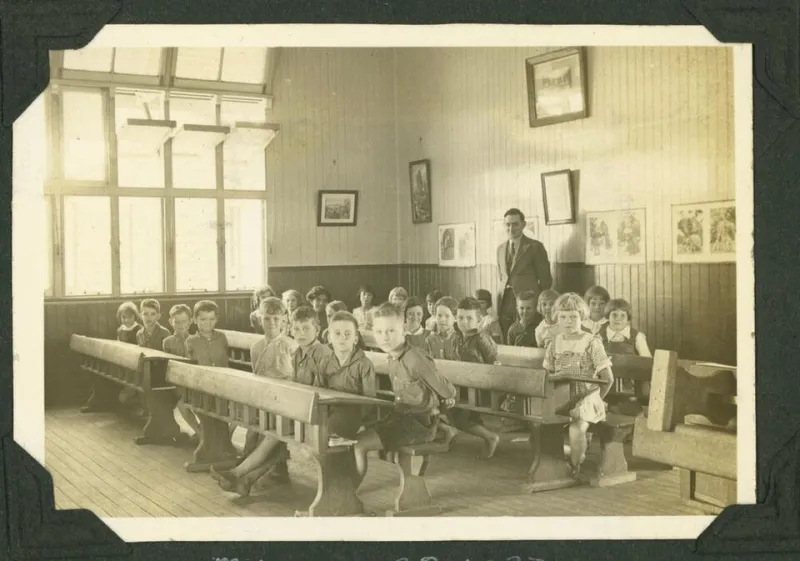
Photo: Unknown, Public domain, via Wikimedia Commons
Transitions don’t look like much on a lesson plan. They are the little gaps between the actual learning: lining up, moving to the hall, swapping from carpet to tables, packing away. Individually they take a couple of minutes. Added up across a day, they can swallow a whole lesson by Friday.
The fix isn’t a louder voice or a stricter face. It is a repeatable two-minute routine that tells children exactly what to do, where to go and what finished looks like. Here is the reset, plus seven common transitions and how to tighten each one.
The two-minute reset in four steps
- Name it. Say the transition out loud: ‘We are moving from carpet to tables.’ Children need to know that this is a change, not a continuation.
- Show it. Point to the visual cue: a timetable card, a hand signal, a sand timer, a line on the board. Keep it the same every time.
- Script it. Use three parts: when, what, and finished. ‘When I say go, you will walk to your table, sit down and start question one. Finished looks like a pencil moving and a quiet voice.’
- Time it. Put two minutes on the board or use a visible timer. Name the children who are meeting the standard, rather than waiting for everyone to fail.
The reset should feel boringly familiar. That is the point. The more predictable it is, the less airtime it needs.
1. Lining up after break
The two-minute fix. Give the warning before the whistle, not after. Use the same hand signal and the same line-up order. Set a two-minute timer as children walk in.
Say it like this: ‘Two minutes. Finish your game, walk to the line, stand facing forward. Finished looks like hands by your sides and voices off.’
Visual cue: A line-up card on your lanyard or a picture of a quiet line next to the door.
Common failure point: Giving instructions while children are still running about. Wait for the whistle, then use the script. If you keep adding ‘and stop that’ and ‘not like that’, the routine gets noisy and the children stop listening.
2. Moving to the hall
The two-minute fix. Walk the route once at the start of term, then use the same route every time. Send the line in two halves if the corridor is tight. The front pair sets the pace.
Say it like this: ‘We are walking to the hall. Hands by your sides, voices off, eyes forward. Finished looks like a straight line outside the hall door.’
Visual cue: A photo of the corridor route or a simple arrow on the door.
Common failure point: Assuming children know the route. They don’t, especially after a holiday. Also watch for the ‘helpful’ child at the back who starts a conversation and slows everyone down.
3. Carpet to tables
The two-minute fix. Have resources already on tables. Give one instruction, not five. Use a countdown from five, then name the first thing children should do when they sit down.
Say it like this: ‘When I say go, walk to your table, sit down and write the date. Finished looks like a pencil moving within one minute.’
Visual cue: A table icon with a pencil and a one-minute sand timer.
Common failure point: Too many words. ‘Get your books out, find a pencil, don’t forget your ruler, and remember what we just said’ is not a transition; it is a lecture. Keep it to one action.
4. Tables to carpet
The two-minute fix. Ask children to leave everything on the table. Give them a job for their hands: ‘Walk to the carpet with empty hands.’ Use the same carpet spots so no one has to negotiate.
Say it like this: ‘Pencils down, hands empty, walk to your spot. Finished looks like crossed legs and eyes on the board.’
Visual cue: Carpet spots or a picture of a child sitting with empty hands.
Common failure point: Letting children bring a pencil, a book or a small toy. It becomes a fidget, then a conversation, then a lost learning minute. Be clear: empty hands.
5. Packing away
The two-minute fix. Give every table a role: one person collects pencils, one collects books, one checks the floor. Use a tidy-up checklist on the board. Set the timer and stop when it goes.
Say it like this: ‘Two minutes to pack away. Pencils in the pot, books in the tray, floor clear. Finished looks like a tidy table and everyone sitting down.’
Visual cue: A simple three-picture checklist: pencil, book, floor.
Common failure point: No clear owner. If everyone is told to ‘tidy up’, nobody does. Give a named job or a table captain.
6. Collecting resources
The two-minute fix. Move the cupboard queue away from the learning area. Call one table at a time. Put a resource monitor in charge of handing out the basic kit.
Say it like this: ‘Table one, collect your books. Table two, ready. Finished looks like everyone back in their seat with a book open.’
Visual cue: A table-number card on the board, moved as each table is called.
Common failure point: The whole class at the cupboard at once. It looks efficient and is not. It also gives children a chance to chat, swap pencils and lose the thread.
7. End of day
The two-minute fix. Use a home-time reset: chairs on tables, book bags out, coats on, line up. Do it in the same order every day. The last two minutes are for the routine, not for a new game.
Say it like this: ‘Home-time reset. Chairs, bags, coats, line. Finished looks like a quiet line with everything you need.’
Visual cue: A four-step strip by the door: chair, bag, coat, line.
Common failure point: Starting the routine too late. If you begin at home time, you will rush and lose things. Begin two minutes before.
The trick with all seven is consistency. Pick one transition this week, script it, show the cue and time it. Once it is smooth, move to the next. You are not looking for a military operation. You are looking for two minutes back, several times a day.